Skip to content
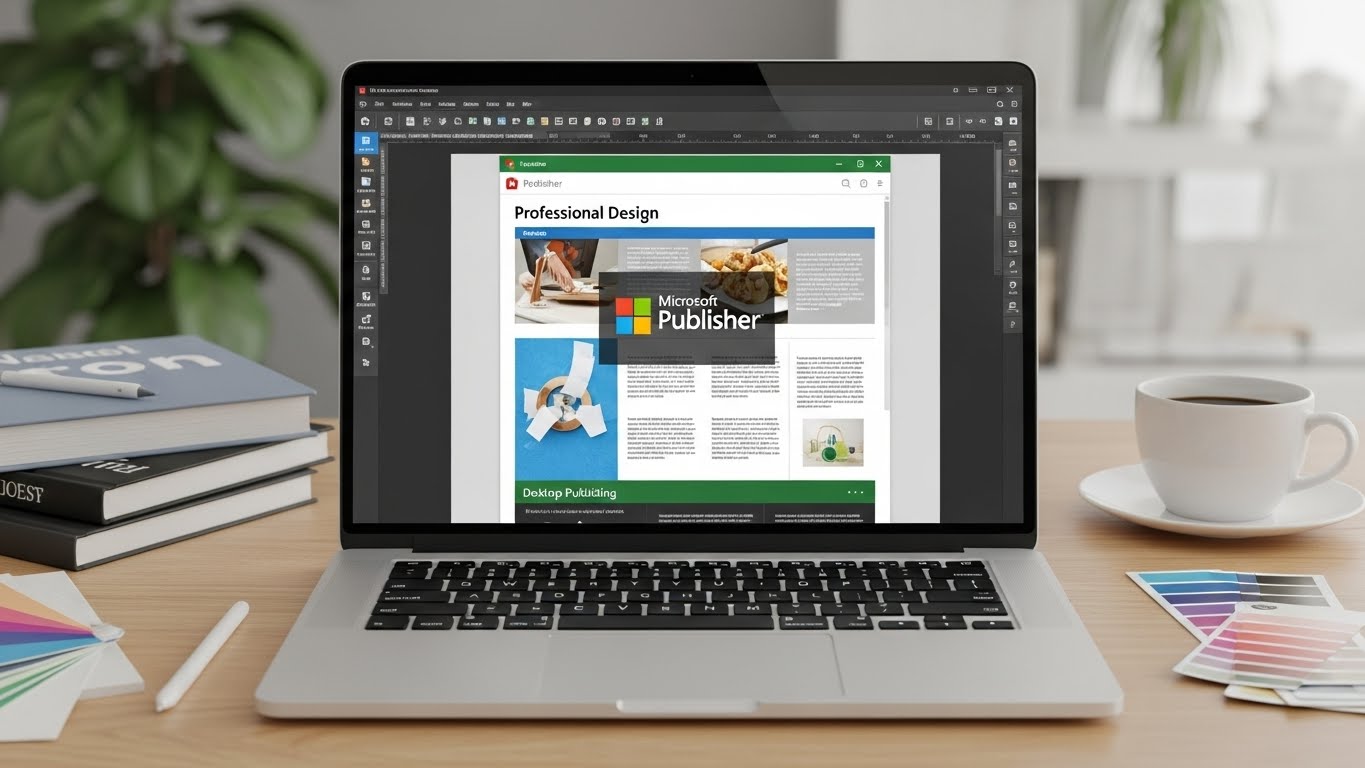
Microsoft Publisher has long been the quiet powerhouse inside the Office family. While Word handles documents and PowerPoint handles slides, Publisher focuses on something different: desktop publishing. It’s built for designing professional-looking print and digital materials—fast—without requiring you to learn complex graphic design software.
Whether you’re creating flyers for a small business, newsletters for a school, brochures for a product launch, or branded invitations for an event, Publisher gives you drag-and-drop layout control plus a huge library of design templates. And even though Microsoft has announced that Publisher will be retired in 2026, it’s still widely used today and remains part of many Office suites, especially Office Professional/Professional Plus editions. blog.mrkeyshop.com+3Quietech Associates, Inc.+3PCWorld+3
Quick note: I couldn’t access the exact EcoKeys article you linked (it didn’t surface in search results), so I’m providing a fresh, original, SEO-optimized guide to Microsoft Publisher based on reputable Microsoft documentation and current product status. Microsoft Support+2Quietech Associates, Inc.+2
What Is Microsoft Publisher?
Microsoft Publisher is a desktop publishing app designed to help users create polished layouts for print or digital distribution. Unlike Word, which is text-first, Publisher is layout-first. You place design elements—text boxes, images, shapes, tables—anywhere on the canvas, then align them visually for professional results.
Publisher is ideal for materials where visual structure matters more than long-form writing, including:
- brochures and tri-folds
- posters and flyers
- business cards
- newsletters
- menus and price lists
- certificates
- invitations
- simple catalogs
Instead of wrestling with spacing and alignment in Word, Publisher gives you tools specifically made for design work. Microsoft Support
Why Publisher Still Matters in 2025
Even with Canva, Adobe tools, and other web-based design apps, Publisher keeps real advantages:
Fast Professional Layouts
Publisher’s templates and “building blocks” get you to a good-looking design quickly. You can customize fonts, colors, and layouts while staying inside a proven structure. Microsoft Support
Easy Learning Curve
If you already know Office apps, Publisher feels familiar. It doesn’t demand the same design training as InDesign or Illustrator.
Print-Ready Output
Publisher is built for print workflows: margins, bleed awareness, high-quality PDF export, and page guides. These details matter when you’re producing real-world materials.
Perfect for Small Businesses
Many small teams need marketing assets but don’t have a dedicated designer. Publisher fills that gap for everyday collateral.
Key Features of Microsoft Publisher
Publisher is deceptively powerful. Here are the features that make it a true desktop publishing tool:
1. Templates and Design Sets
Publisher includes a wide template library, letting you start from a complete design instead of a blank page. Templates exist for most common publication types, and you can swap color palettes and font pairings using built-in design sets. Microsoft Support
2. Drag-and-Drop Layout Control
Text boxes and images are independent objects. This means you can move, resize, rotate, and layer elements freely. The layout behaves like a canvas, not a document. Microsoft Support
3. Layout Guides for Clean Structure
Layout Guides act like invisible grids that help you align objects evenly across the page. You can set margin guides, column/row grids, and baseline guides to keep spacing consistent. This is one of the fastest ways to make a design look “professional.” Microsoft Support+2Microsoft Support+2
4. Ruler Guides and Snap-to-Guide Precision
Ruler guides let you add custom alignment lines anywhere you want. Combine that with snap-to-guide behavior and your elements will lock into place cleanly. Microsoft Support+1
5. Master Pages
Master pages let you repeat layout elements (like headers, footers, page numbers, logos) across multiple pages. If you update the master, all pages update instantly—great for newsletters and multi-page brochures. Microsoft Support
6. Image Tools and Crop Controls
Publisher isn’t Photoshop, but it gives you the essentials: crop, recolor, transparency, soft edges, and style effects. You can keep images consistent across a publication without leaving the app. The Windows Club
7. Mail Merge for Bulk Personalization
Publisher supports Mail Merge so you can mass-produce personalized items like postcards, invitations, or certificates by pulling names and fields from Excel or Outlook contacts. Microsoft Support
How to Use Publisher: A Simple Workflow
If you’re new to Publisher, this workflow will get you from idea to finished publication smoothly.
Step 1: Choose a Template or Blank Page
Start with a template if you want speed. Go blank if you need a custom size or layout. Publisher includes standard paper sizes plus design presets. Microsoft Support
Step 2: Set Up Layout Guides
Before you design, define your structure:
- margins
- number of columns
- spacing rhythm
This prevents messy designs later. Microsoft Support+2Microsoft Support+2
Step 3: Add Text and Images as Separate Blocks
Insert text boxes where you want them. Add images next, then layer and align. Publisher treats everything as movable objects. Microsoft Support
Step 4: Apply a Consistent Theme
Use the same fonts, palette, and style across pages. Consistency is what makes a publication look like a real brand asset.
Step 5: Export for Print or Digital
Common outputs:
- PDF (print-ready)
- PNG/JPG (web use)
- XPS or Publisher files (editable sharing) Microsoft Support
Best Use Cases for Microsoft Publisher
Publisher works best when you need structured design without heavy creative software.
Small Business Marketing
Flyers, menus, price sheets, promo posters, coupons, and storefront signage are Publisher classics.
Internal Company Docs
Think branded internal newsletters, onboarding handouts, workshop materials, or policy posters.
Schools and Nonprofits
Announcements, event programs, fundraisers, certificates, and community newsletters.
Personal and Event Design
Invitations, greeting cards, photo calendars, and simple celebration materials.
Power Tips to Make Your Designs Look Professional
Use Grid Discipline
Even if your design is “creative,” alignment is what makes it feel polished. Turn on guides and snap-to-grid. Microsoft Support+2Microsoft Support+2
Keep Font Pairings Simple
Use 1–2 fonts. Too many typefaces make designs feel noisy and amateur.
Create Visual Hierarchy
Make headlines bold and large, body text clean and readable, and calls-to-action obvious. Publisher makes sizing and style changes easy, so use that to guide the reader’s eye.
Reuse Building Blocks
Publisher includes pre-designed elements like sidebars, headings, and accent shapes. Reusing them keeps your layout cohesive. Microsoft Support
Learn a Few Shortcuts
Publisher supports keyboard shortcuts similar to other Office apps, speeding up layout work and editing. Microsoft Support
Microsoft Publisher End-of-Life: What You Should Know
Microsoft has officially announced that Publisher will be discontinued in October 2026. After that:
- it won’t be included in Microsoft 365
- it will no longer be supported in perpetual Office suites
- long-term editing of .pub files will require alternatives or exports blog.mrkeyshop.com+3Quietech Associates, Inc.+3PCWorld+3
What you should do now
- Keep using Publisher if it fits your workflow today.
- Start exporting key .pub files to PDF for archival safety.
- Explore replacements if Publisher is central to your business.
Common alternatives people are considering include Word/PowerPoint for light layouts, Canva for web-first designs, or Affinity Publisher / Scribus for full desktop publishing (choice depends on how advanced your needs are). Windows Forum+1
Final Thoughts: Should You Still Use Publisher?
Yes—if you need fast, clean, print-ready layouts and you don’t want a steep design learning curve. Microsoft Publisher remains one of the easiest ways to produce professional brochures, flyers, newsletters, and marketing materials with full control over layout. And with support continuing through 2026, you still have time to get value from it while planning your next step.