Skip to content
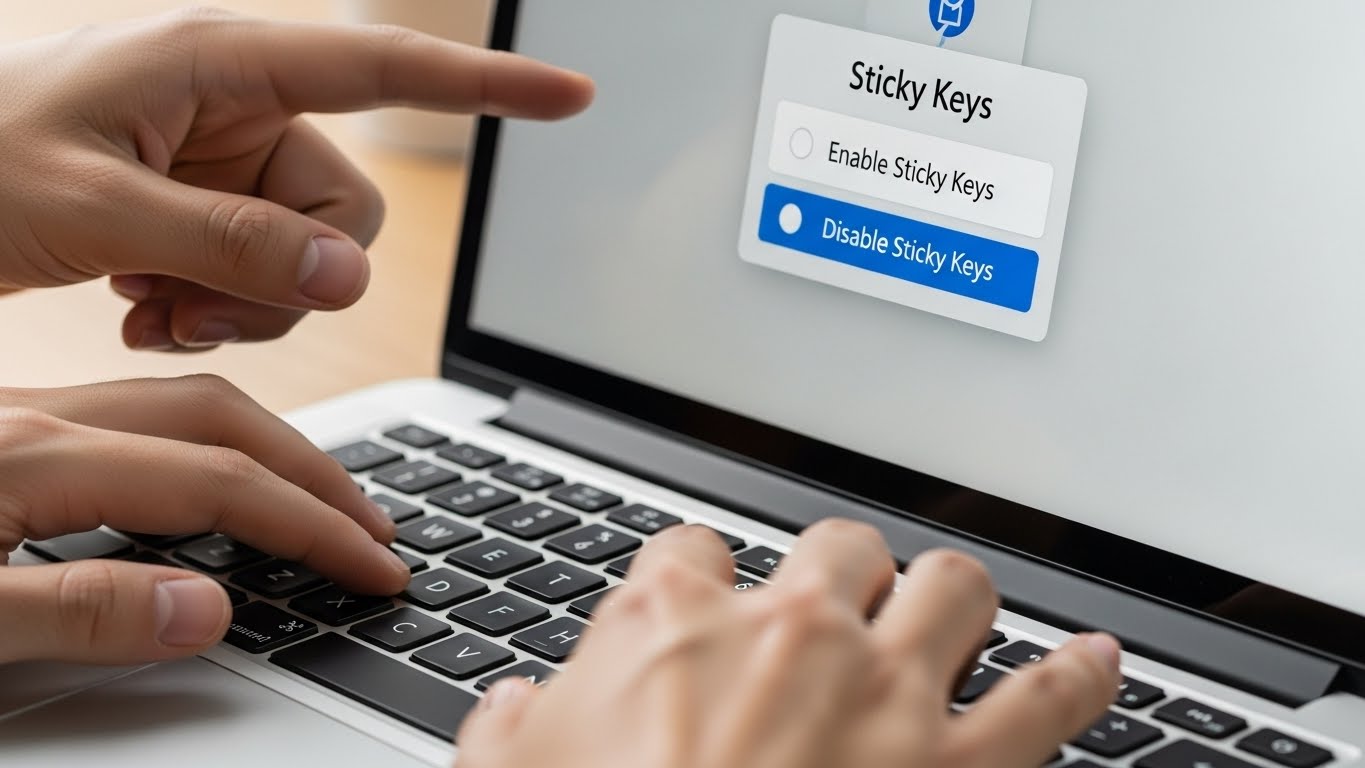
Learn quick and easy methods to disable Sticky Keys across various Windows versions with step-by-step instructions
This article explains how to undo Sticky Keys in Windows 11, Windows 10, Windows 8, and Windows 7.
How to Turn Sticky Keys off in Windows 11 & 10
The quickest way to turn off Sticky Keys is to press Shift five times. Another way is to press any two keys simultaneously, such as Ctrl+Alt.
Here’s how to disable Sticky Keys using the Settings app:
- Open Settings. It’s accessible through a search in the Start menu or via the hidden Power User Menu (right-click the Start button to find it).
:max_bytes(150000):strip_icc():format(webp)/005-change-default-download-location-windows-10-4587317-ed009e660cfd4b54bc5c46e959e80d33.jpg)
- Go to Accessibility > Keyboard in Windows 11, or Ease of Access > Keyboard in Windows 10.
:max_bytes(150000):strip_icc():format(webp)/001-how-to-turn-off-sticky-keys-windows-4692841-840a6b1cb7db4b70895ba6637346c0b8.jpg)
- Select the toggle next to Sticky Keys (Windows 11) or Use Sticky Keys (Windows 10) to set it to off.
:max_bytes(150000):strip_icc():format(webp)/002-how-to-turn-off-sticky-keys-windows-4692841-3c1464a02cd44a8b9d0c6876ae676e67.jpg) You can also disable the shortcut so pressing Shift repeatedly doesn’t enable Sticky Keys. Settings offer options to disable the Sticky Keys sound and hide its icon from the taskbar.
You can also disable the shortcut so pressing Shift repeatedly doesn’t enable Sticky Keys. Settings offer options to disable the Sticky Keys sound and hide its icon from the taskbar. - How to Turn Sticky Keys off in Windows 8 & 7
- These Windows versions also use the “press Shift five times” shortcut to enable and disable Sticky Keys. Pressing two keys at once will also disable it. Another way to turn off Sticky Keys is through these settings:
- Open Control Panel searching for it in the Start menu.
- Go to Ease of Access > Ease of Access Center > Make the keyboard easier to use.
:max_bytes(150000):strip_icc():format(webp)/ease-of-access-center-windows-7-784ad0ed588c4e7fa1c537d9895a1744.png)
- Clear the checkbox next to Turn on Sticky Keys.
:max_bytes(150000):strip_icc():format(webp)/turn-off-sticky-keys-windows-7-c4a38e1ba7db4e5a9aec36053b7fed3d.png)
- Select Apply to save.
- What Are Sticky Keys?
- Every keyboard uses modifier keys, which change the function of a letter key. The one you probably use most often is Shift. Under normal circumstances, with Sticky Keys off, you’d need to press and hold Shift as you press the 8 key, for example, to create an asterisk.
- Sticky Keys help people with disabilities or those with repetitive stress injuries. Turning on this feature effectively “sticks” the key in the pressed position, allowing you to use shortcut keys one press at a time.
- To return to the asterisk example, having Sticky Keys on would mean you could press Shift, let go of it, and then press 8 to type the asterisk. The same is true for any other shortcut that uses the Ctrl, Alt, or Windows key.
- Sticky Keys can be useful if you don’t like holding down a key for long periods. If you’re not a touch-typist or you’re learning software that heavily uses modifier keys, it can help while you identify the key you need. Otherwise, they’re probably not worth keeping on.